Why Opt for a Full Service Oil Change: Your Essential Guide to Quality Maintenance
Opting for a full-service oil change is a vital aspect of car upkeep. This procedure goes beyond simply replacing oil and filters; it includes thorough inspections of essential engine components. Recognizing the benefits of these detailed oil changes can lead to enhanced performance and longevity of the vehicle. However, many vehicle owners may miss the specifics of what makes a full-service oil change worthwhile. Exploring these details reveals why this choice is fundamental for optimal car care.
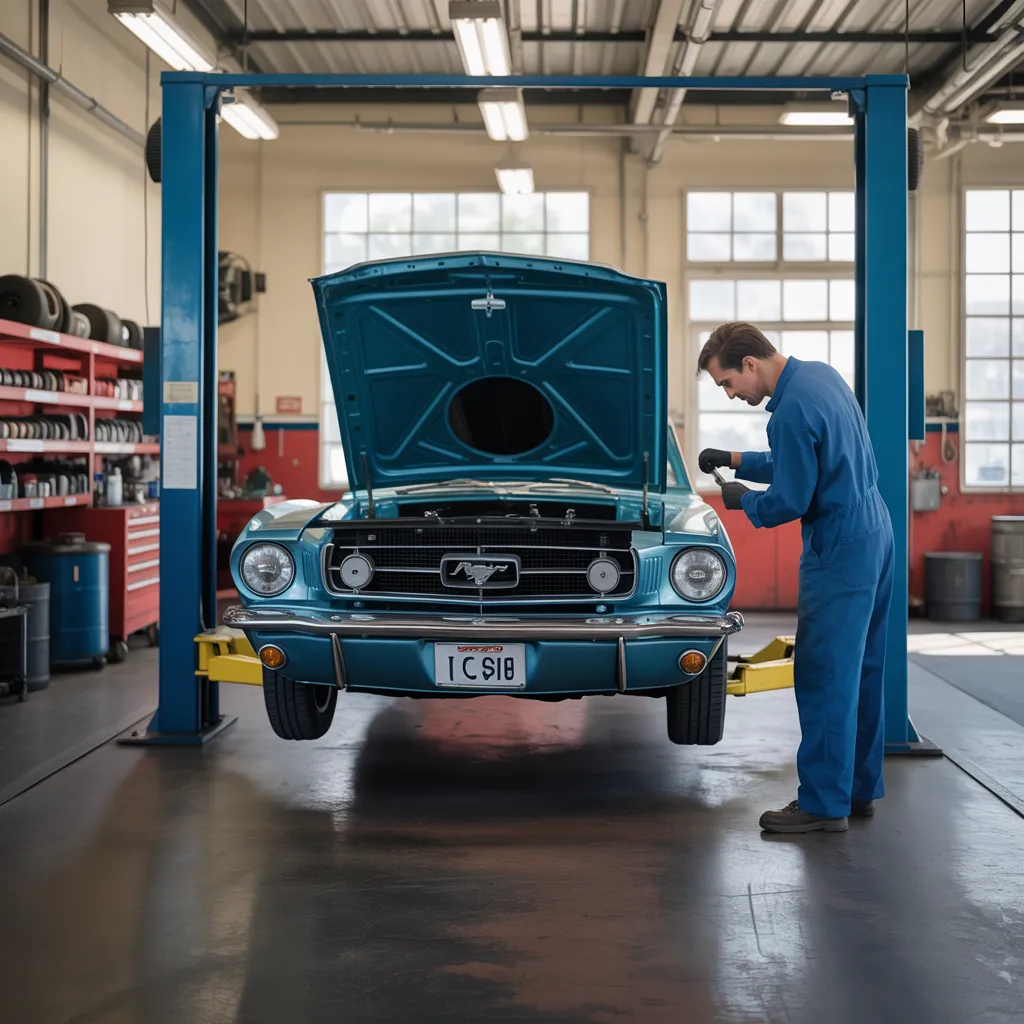
Why Regular Oil Changes Matter
Routine oil changes are essential for preserving a vehicle's efficiency and lifespan, as they ensure the engine operates seamlessly and effectively. Engine oil provides lubrication to mechanical parts, reducing friction and preventing wear. As time passes, oil deteriorates because of thermal stress and pollutants, diminishing its protective properties. This could cause heightened engine degradation, lowered efficiency, and significant mechanical damage.
Consistent oil changes are essential for maintaining ideal engine temperature, as fresh oil effectively dissipates heat. Additionally, they improve fuel efficiency, since a well-lubricated engine requires less energy to operate. Skipping oil changes can cause significant repair costs and diminish the longevity of your vehicle.
Furthermore, consistent servicing can improve vehicle resale value, as a well-documented maintenance history signifies reliability and care. Ultimately, routine oil changes are a fundamental aspect of vehicle maintenance, ensuring both performance and protection for the motor over time.
The Basics of a Full-Service Oil Change
A complete oil change service involves a number of essential components that guarantee ideal engine performance. Initially, technicians determine the suitable oil type based on the vehicle's specifications, confirming maximum lubrication and efficiency. This is accompanied by replacing the oil filter, which removes contaminants and keeps them from flowing in the engine.
In addition, a full-service oil change typically includes an extensive inspection of several engine components, such as hoses and belts, which helps identify potential concerns before they develop further. Tire pressure assessments and assessments of fluid levels, including coolant and brake fluid, are also common practices included in this service.
These essential tasks not only enhance engine longevity but also contribute to overall vehicle safety. By following these guidelines, vehicle owners can ensure that their engines operate smoothly and efficiently, ultimately lowering the chances of expensive repairs down the road.
What Takes Place During a Full-Service Oil Change?
Throughout a comprehensive oil change service, technicians meticulously follow a sequence of procedures designed to guarantee maximum engine efficiency. First, they elevate the vehicle to reach the oil pan and filter. The used oil is subsequently removed, removing impurities and contaminants accumulated over time. After this step, the mechanic installs a new oil filter to ensure maximum filtration of the new oil.
Next, new oil is applied, in accordance with the vehicle manufacturer's specifications for type and viscosity. The mechanic also examines other essential elements, including the air filter, fluids, and belts, offering suggestions for further service if necessary. Finally, a comprehensive inspection of the vehicle's undercarriage and exterior can identify other possible concerns, guaranteeing comprehensive service.
This methodical process improves engine performance while also prolonging the vehicle's lifespan, making full-service oil changes an excellent investment for car owners.
Types of Oil for Your Vehicle
Recognizing the correct type of oil for a vehicle is vital for sustaining engine health. Vehicles typically employ one of three principal types of oil: conventional, synthetic, or a blend of both. Conventional oil, produced from refined crude oil, is commonly used in older models and offers adequate protection at a lower cost. Synthetic oil, formulated in laboratories, delivers superior performance, particularly in extreme temperatures, and is ideal for modern engines needing higher efficiency. Lastly, synthetic blends combine the benefits of both conventional and synthetic oils, delivering enhanced protection at a moderate price point.
Choosing the appropriate oil additionally requires considering the automobile's manufacturer guidelines, which detail oil standards and viscosity ratings. Following these recommendations ensures ideal lubrication and aids in preventing engine wear, effectively lengthening the service life of the vehicle. Understanding these types of oil empowers automobile owners to reach well-informed conclusions during routine maintenance.
Maximizing Engine Performance With Comprehensive Oil Changes
Periodic comprehensive oil changes can significantly improve the performance and lifespan of your engine. By swapping out old, degraded oil with new, premium-grade oil, the engine functions more seamlessly and productively. This process helps to reduce friction among engine components, which in turn minimizes deterioration and damage. Moreover, full-service oil change procedures typically involve the replacement of the engine oil filter, ensuring that harmful particles are efficiently cleared from the oil flow system.
This thorough approach not only sustains ideal lubrication levels but also assists in managing engine heat, preventing overheating. Improved engine performance is often noticeable, with superior acceleration and increased fuel efficiency. Furthermore, staying on top of regular oil changes can prolong engine lifespan, improving the general reliability of your vehicle. By making full-service oil changes a priority, car owners can guarantee peak engine performance, ultimately saving time and money on costly repairs in the long run.
Tips for Maintaining Your Vehicle Between Oil Changes
Preserving a vehicle between scheduled oil changes is vital for securing enduring efficiency and dependability. انتقل الآن Routinely inspecting fluid levels, such as coolant, brake fluid, and power steering fluid, helps prevent possible problems. Tire maintenance, including inspecting tread depth and air pressure, is vital for fuel efficiency and safety. In addition, checking wipers and headlights ensures visibility in various conditions.
Consistent maintenance cleaning of the vehicle, both inside and out, safeguards the paint and interior surfaces. It is also beneficial to keep an eye on any odd sounds or dashboard warnings, as these can point to underlying concerns. Maintaining clean battery terminals and checking that the battery is firmly in place can avoid startup problems. Finally, following a consistent routine for tire rotation and air filter replacement supports the long-term health of the vehicle. By implementing these practices, vehicle owners can extend the lifespan of their cars and enhance their driving experience.
The Right Time to Schedule Your Next Full-Service Oil Change
What is the best time to book a full-service oil change? Professionals advise following the manufacturer's specifications, usually outlined in the owner's manual. Most vehicles require an oil change every 3,000 to 7,500 miles, according to the oil variety and road conditions. High-performance synthetic oils may extend intervals, whereas regular short trips or harsh weather conditions may call for more frequent changes.
Additionally, signs such as the oil change light or unusual engine noises can signal the need for prompt attention. Routine checking of oil levels and quality is vital; if the oil seems dark or contaminated, an oil change is needed. Arranging a complete oil change during regular maintenance visits can also help prevent larger issues down the road. Ultimately, keeping up with oil changes contributes greatly to the lifespan and efficiency of the vehicle.
Frequently Asked Questions
How Much Time Does a Full-Service Oil Change Usually Take?
A comprehensive oil change generally requires anywhere from 30 minutes to an hour. The time required may differ depending on the service provider, type of vehicle, and any additional maintenance tasks performed during the visit.
Is It Okay to Wait Longer Than Suggested Between Oil Changes?
Exceeding the recommended timeframe between oil changes can lead to engine damage and reduced performance. You should follow the manufacturer's recommendations to guarantee peak vehicle health and longevity. Consistent servicing is key.
What Brands of Oil Do You Use for Full-Service Changes?
Well-established repair facilities commonly utilize top-tier products such as Castrol, Mobil 1, Pennzoil, and Valvoline for full-service oil changes. Such brands are recognized for their reliability and performance, ensuring superior engine protection and efficiency.
Should I Schedule an Appointment Before Getting an Oil Change?
Certainly, it is recommended to schedule an appointment for an oil change. This provides timely service, shortens wait times, and permits the service provider to manage resources efficiently for the proper maintenance of the vehicle.
Are There Any Warranties Associated With Full-Service Oil Changes?
Numerous professional oil change facilities include guarantees that address both parts and labor. Such warranties generally provide protection against problems or defects occurring after the oil change service, guaranteeing client satisfaction and additional peace of mind for routine vehicle upkeep.